
Build a Thriving Time Bank in Your Neighborhood

Let’s dive into how to organize a time bank in your community, transforming neighborly skills into shared strength and trust. You’ll learn practical steps, inspiring stories, and proven frameworks to start exchanging hours fairly, include everyone, and build resilient local connections that outlast trends or funding cycles.

Principles That Make Exchanges Fair and Welcoming

Time banking works because one hour equals one hour, regardless of income, status, or profession. This simple rule honors every person as an asset, encourages reciprocity instead of charity, and nurtures trust. We’ll translate these values into everyday practices that help neighbors offer, request, and celebrate contributions without awkwardness.

Designing a Skill Survey People Love to Answer

Keep it inviting: ask what lights people up, time windows, languages, transportation access, and comfort levels. Provide checkboxes and a few open prompts. Offer paper, phone, and online options. Translate into community languages so elders, youth, and busy caregivers can participate without friction or feeling overlooked.

Host a Discovery Potluck

Food lowers barriers. Invite neighbors to bring a favorite snack and a story about something they could teach or need. At one gathering, Mary found help winterizing windows while Jamal discovered tutoring partners for SAT math. Shared laughter reveals possibilities surveys sometimes miss, sparking trust before logistics begin.

Plan for Inclusion From Day One

Accessibility makes participation real. Provide childcare credits, translation, and quiet spaces. Rotate meeting times, ensure wheelchair access, and welcome undocumented neighbors without intrusive questions. Establish safety guidelines for home visits. When people feel protected and respected, they engage, contribute, and invite friends, expanding the exchange with dignity.

Discovering Skills and Needs Around You

We start by mapping assets—everyday talents, tools, and passions already present. A short, friendly survey, coffee chats, and small group circles surface offerings people feel excited to share. Matching needs to offers builds early wins, reduces shyness, and shows how ordinary abilities become extraordinary when coordinated thoughtfully.

Simple Governance That Builds Trust

Clear roles and light structure prevent confusion without stifling initiative. A small coordination circle handles onboarding, conflicts, and technology. Transparent decision-making, published guidelines, and rotating facilitators keep power shared. We’ll outline documents and rhythms that make participation predictable, friendly, and safe, especially for first-time volunteers and elders.

Launch Plan: From First Invite to First Hundred Hours
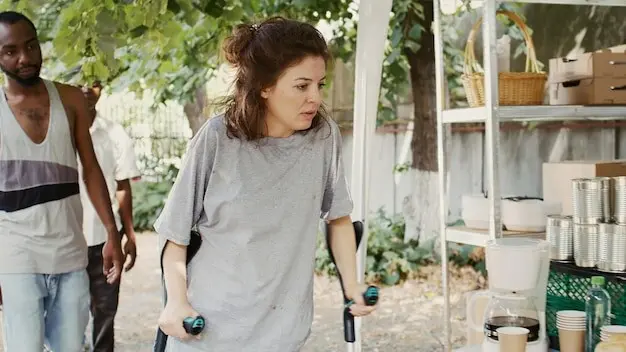
A thoughtful 90-day arc builds momentum: recruit founders, pilot exchanges, share stories, then open wider. We’ll set weekly actions, example messages, and celebration moments. Measuring early reciprocity and diversity keeps growth healthy, while gentle nudges help hesitant neighbors try a low-risk, well-supported first exchange that feels delightful.

Safety, Care, and Conflict Navigation

Exchanges feel courageous when care is visible. We’ll set practical safeguards for home visits, transportation, and youth involvement, while avoiding bureaucracy that chokes spontaneity. Scripts and checklists help members decline requests gracefully, escalate concerns, and repair misunderstandings. With respectful processes, relationships deepen even when mistakes happen or expectations misalign.

Safety Basics Everyone Shares

Before meeting, confirm names, addresses, and times via the platform. Encourage buddy exchanges for first visits. For rides, seatbelts always; for ladders, spotters; for childcare, two-adult rule. Encourage daylight meetings when possible. Small safeguards normalize care without fear, helping kindness feel reliable rather than risky or improvised.

Conflict Happens—Handle It With Dignity

Miscommunications arise: missed times, different standards, or misunderstood boundaries. Offer a three-step path—direct conversation, mediated check-in, and coordinator review—each documented lightly. Teach reflective listening and focus on needs, not blame. Restorative circles can transform tension into learning, building stronger norms and renewed willingness to exchange again.

Funding, Partnerships, and Long-Term Resilience

Although hours are the currency, coordination still needs support. Grants, small municipal funds, and local sponsors can cover space, software, and outreach materials. Partnerships with clinics, schools, and housing groups expand reach. We’ll design a light budget, diversified revenue, and shared leadership so momentum survives inevitable life changes.
Veltotavonilo
Privacy Overview

This website uses cookies so that we can provide you with the best user experience possible. Cookie information is stored in your browser and performs functions such as recognising you when you return to our website and helping our team to understand which sections of the website you find most interesting and useful.