
When Wisdom Meets Wonder
Step into a living conversation where generations learn from one another. We’re exploring intergenerational knowledge exchanges between seniors and youth, celebrating how practical skills, life stories, and fresh perspectives travel in both directions to reduce loneliness, strengthen communities, and spark creativity. Expect hands-on ideas, research-backed insights, and heartfelt anecdotes you can borrow today. Tell us where you are beginning and what you hope to build, and we’ll grow this journey together.
Listening With Curiosity
Curiosity-driven listening shifts attention from fixing to understanding. Invite pairs to follow three moves: ask open questions, reflect back feelings, and note practical details for future action. When a high schooler mirrors a veteran nurse’s memory of night shifts, patience and comic relief appear, showing respect that encourages authentic, detailed sharing.
Story Circles and Memory Walks
Gather in small circles and trade prompts like first paychecks, favorite mistakes, or songs that changed a season. Add a short walk through a neighborhood landmark to anchor memories in place. These rituals unlock laughter and gentle grief, connecting eras through sensory detail, while participants quietly map values that endure.
Shared Projects That Matter
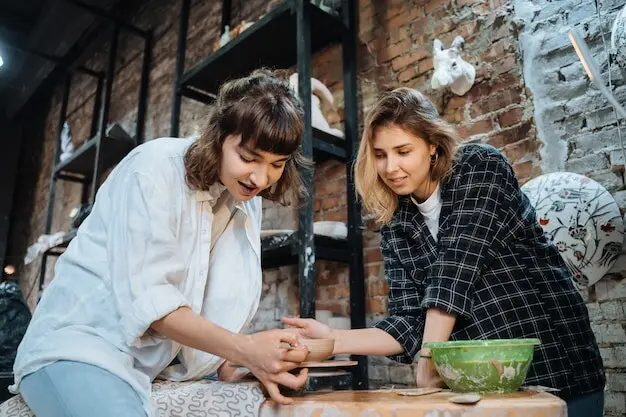
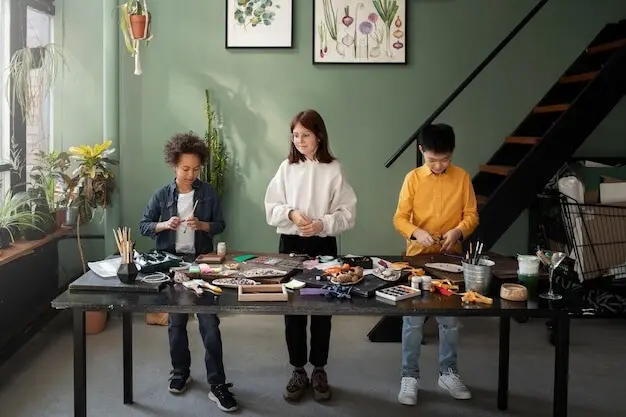
Choose tasks with visible outcomes: a community bulletin board, a neighborhood plant exchange, or a zine of useful tips. Tangible artifacts create pride and proof of progress. When a grandmother’s sketch meets a teen’s layout, confidence rises on both sides, and new questions emerge that fuel the next gathering.
Bridges Across Years
Real connection begins long before workshops or schedules; it starts with recognizing shared hopes and everyday challenges. By framing meetings around mutual respect and curiosity, older adults and young people quickly see how much they can offer one another. Simple rituals—names, check-ins, snacks—turn strangers into collaborators. With clear intentions and gentle pacing, even brief encounters become dependable bridges, easing anxieties, inviting stories, and establishing a rhythm for deeper exchanges that honor differences while uncovering surprising common ground.
Skill Swaps That Spark Confidence
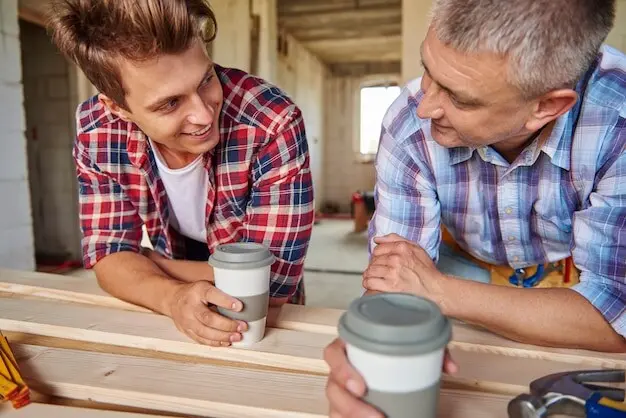
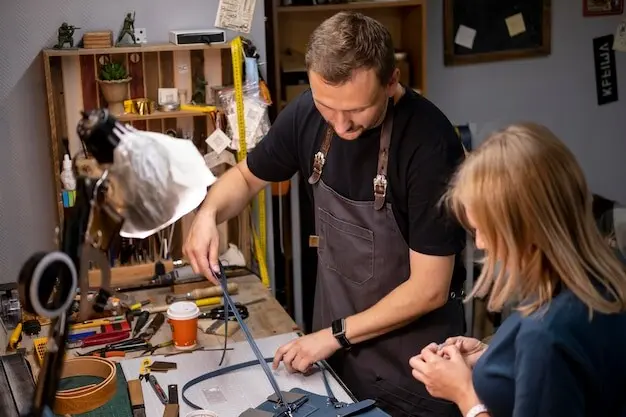
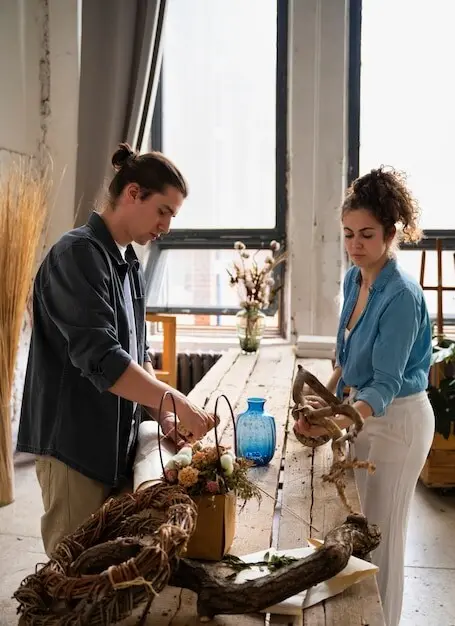
Skill exchanges thrive when framed as a two-way street. Teens often demystify smartphones, online banking safety, and telehealth portals, while elders share budgeting tricks, home maintenance basics, and professional etiquette. Pair lesson plans with real tasks—registering for a clinic, negotiating a utility bill, or repairing a wobbly chair. Confidence grows fast when practice meets purpose, and people leave with steps they can repeat tomorrow, not just notes destined to be forgotten.
Stronger Minds, Longer Independence
Regular teaching and learning keep older adults mentally active, reinforcing memory through stories, demonstrations, and gentle problem-solving. When someone explains the why behind a recipe, a bus route, or a budgeting habit, neural pathways rehearse meaning, not just facts, supporting autonomy while transforming experience into gifts that remain useful.
Confidence, Agency, and Belonging for Young People
Young participants often gain clearer narratives about possible futures. Hearing varied work paths and witnessing resilience during setbacks reframes failure as data, not destiny. With mentors offering feedback and introductions, teens practice advocacy, leadership, and collaborative planning, shifting from extracting advice to co-creating opportunities that reflect their strengths and community needs.
Age-Positive Communities That Stick Together
When neighbors routinely collaborate across decades, stereotypes lose their grip. Emergencies meet familiar faces, not faceless systems. Shops, clinics, schools, and transit providers notice and adapt, because multi-age feedback yields smarter services. The resulting trust shortens problem-solving cycles, encouraging investments that make sidewalks, meeting rooms, and digital spaces more welcoming.
Stories You Can Feel
Real moments convince more than slide decks. A teen shows a grandfather how to archive family photos; minutes later, he teaches her how to decipher utility bills and plan for seasonal costs. A retired mechanic guides a robotics club, learning new sensors while teaching patience. These snapshots reveal possibility better than slogans.
The Grand Cookbook Exchange
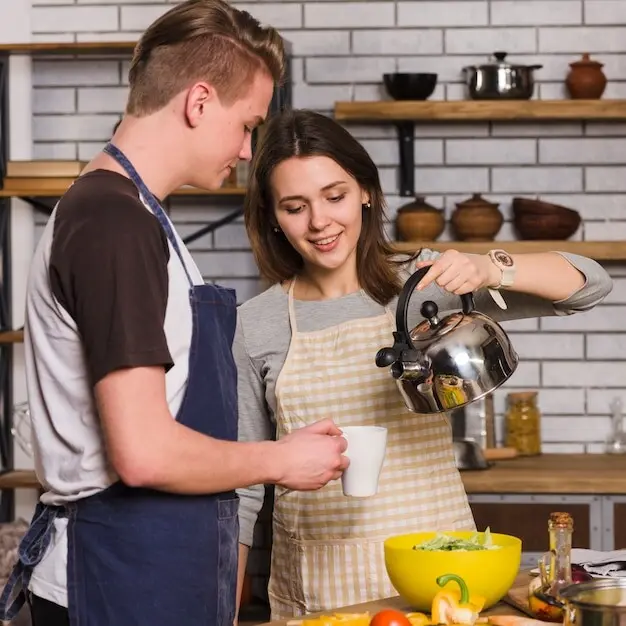
Pairs traded recipes with short backstories, then adapted them for allergies, budgets, and modern kitchens. Handwritten cards met shared spreadsheets, and taste tests doubled as math class. In revising flavors together, participants also compared expectations, learning how food rituals carry memory, identity, and practical care across homes and generations.
Repair Saturday, Neighbors Smiling
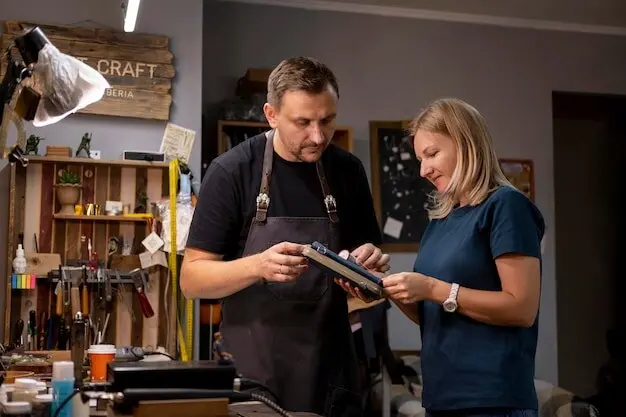
A community room became a pop-up fix-it clinic. Youth handled intake forms, triage, and documentation, while elders diagnosed wobbly chairs, squeaky brakes, and stubborn zippers. Each successful repair ended with a sticker and a photo, turning maintenance into celebration and modeling circular economy habits everyone could continue at home.
Code, Cameras, and Grandfriends
A media club paired aspiring filmmakers with retirees curious about smartphones. Together they scripted two-minute portraits, mixing archival photos with present-day clips. Editing required patience; voiceovers demanded courage. Premiering the films at a neighborhood night unlocked hugs, new volunteers, and practical offers for rides, tutoring, and weekly walking groups.
Take the First Step Today
You do not need a grant to begin. Start with one invitation and a simple promise: we will learn and build together. Choose a purpose that solves a real problem, schedule three short sessions, and keep notes. Then ask participants what to change, repeat what worked, and publicly thank every contribution.
Start a Tiny Pilot This Week
Host a ninety-minute meet-up at a library table. Use a shared checklist: introductions, two skills, one story, next step. Capture goals on sticky notes, snap photos of prototypes, and assign lightweight roles. Predictable rhythms reduce friction and help confidence accumulate between meetings, where daily life really tests ideas.
Partner Smart, Partner Kind
Schools, senior centers, disability advocates, youth clubs, and local businesses often want the same outcomes. Map what each partner can offer—space, snacks, tools, translators, or internships—and agree on data stewardship. Kind partnerships move at the speed of trust, balancing ambition with care, so participants feel guided, not rushed.
Share Back and Keep the Circle Growing
Publish micro-updates after every gathering: three photos, one quote, and the next date. Invite questions and volunteers. Archive resources in an easy folder, and credit contributions by name. This steady transparency attracts neighbors, funders, and policymakers, proving momentum while protecting the integrity of the relationships at the center.
All Rights Reserved.